Mount Kenya animals and plants in short
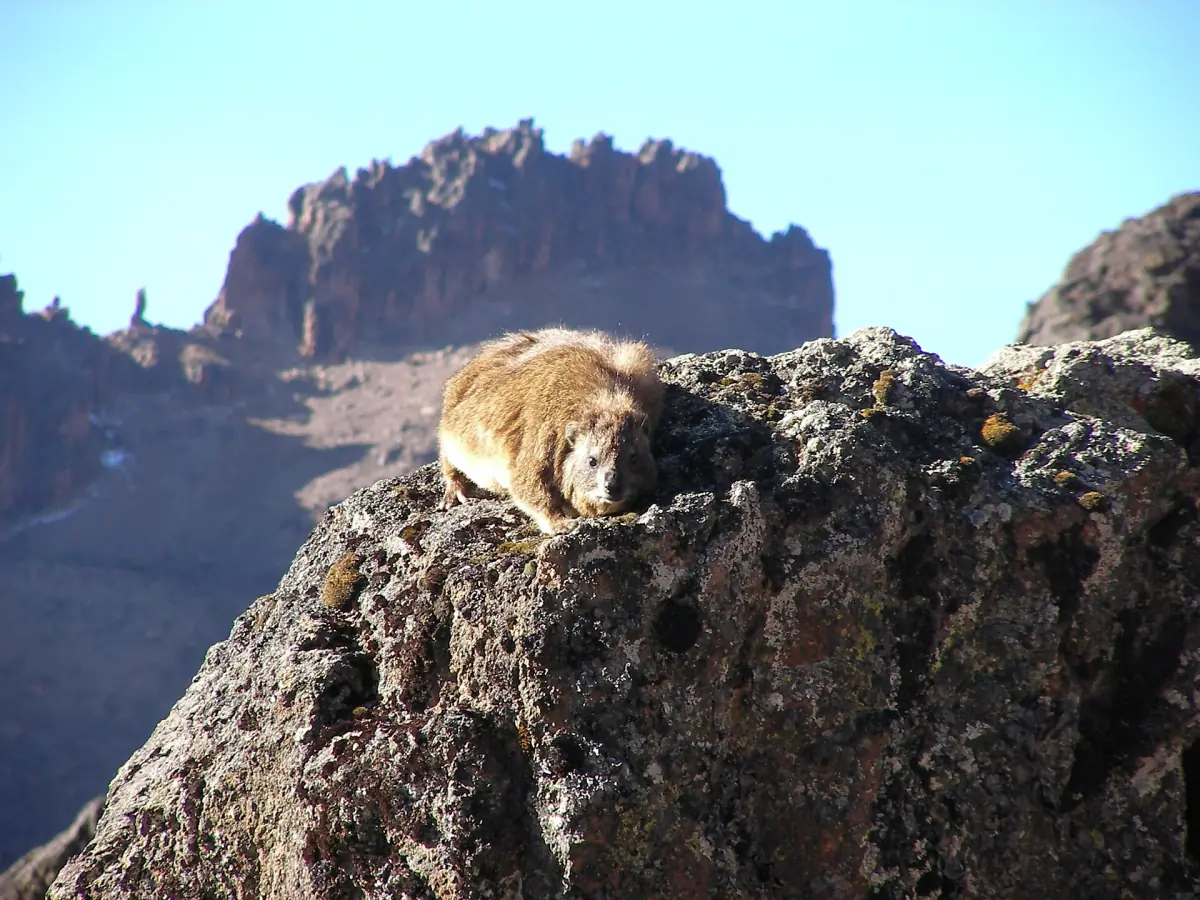
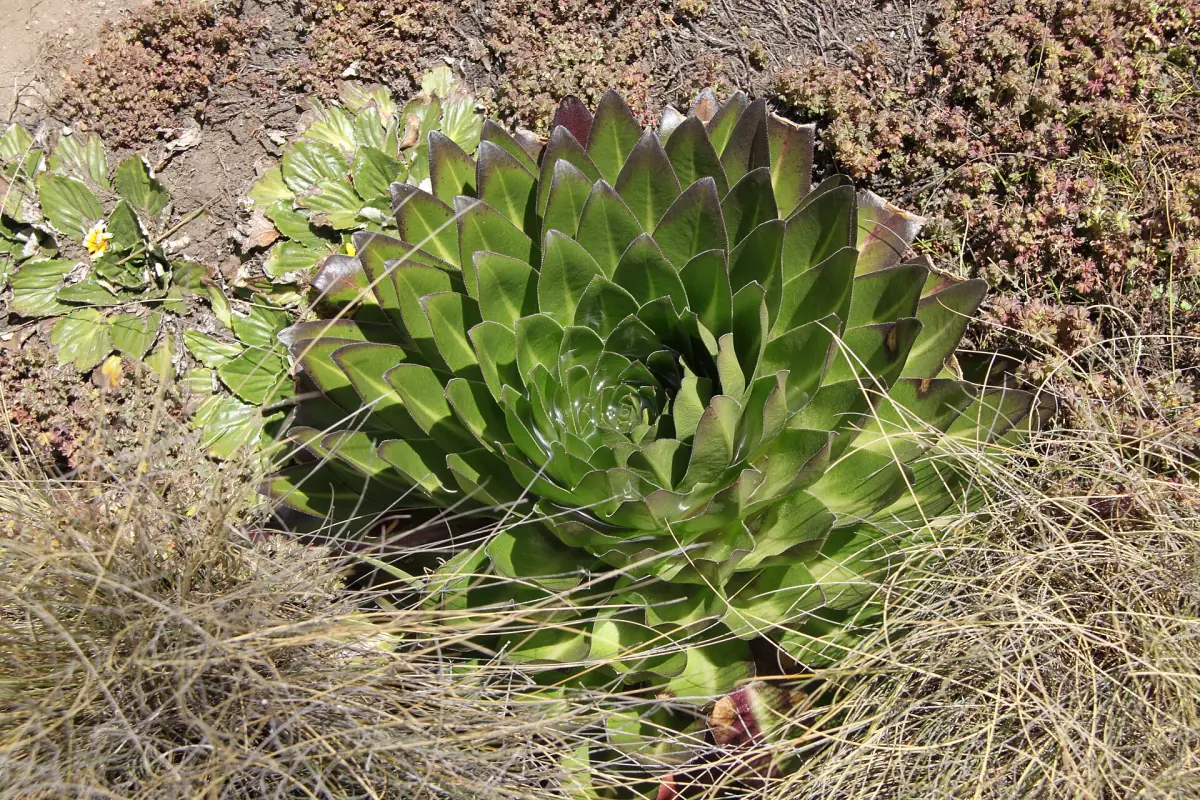
The animals of Mount Kenya live in the forest belt and the mountain ecosystem around it: elephants, buffalo, leopards, primates and several kinds of antelope. They are there, but a sighting is never guaranteed on any path. Higher up, the picture changes. Rock hyrax live among the stones, and giant lobelias and giant groundsels stand in the moorland.
This is not a classic game-drive park. You come to walk, and wildlife is a bonus. If you want a trek that combines forest, moorland and rock, look at our page on Mount Kenya treks. For big-game safaris, game drives at Ol Pejeta are a separate trip.
Mount Kenya forest and the zones above it
Vegetation changes with height, and the animals change with it. The boundaries are not sharp lines on every slope.
| Zone | What you find | Good to know |
|---|---|---|
| Mount Kenya forest | Dense forest with elephants, buffalo, leopards and primates in the wider ecosystem | Keep your distance from elephants and follow your guide |
| Bamboo | Belt of bamboo above the forest | A transition zone, and the boundaries vary from slope to slope |
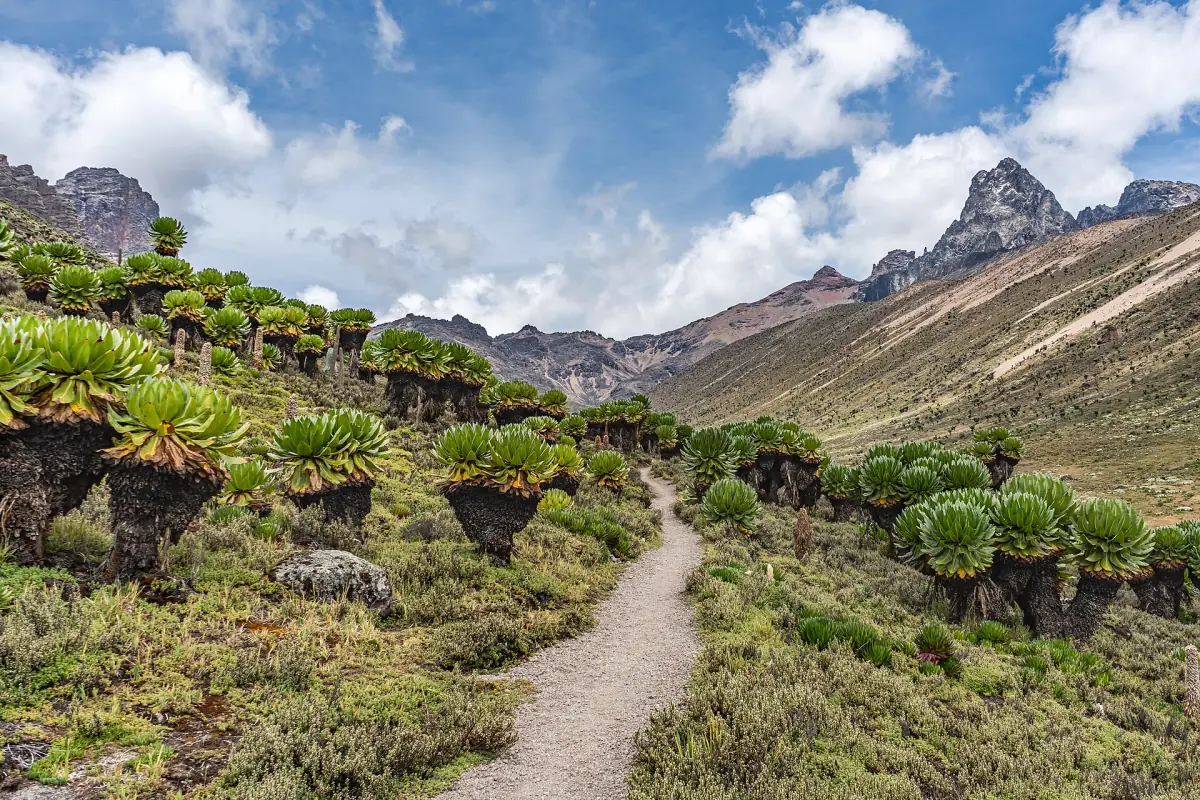
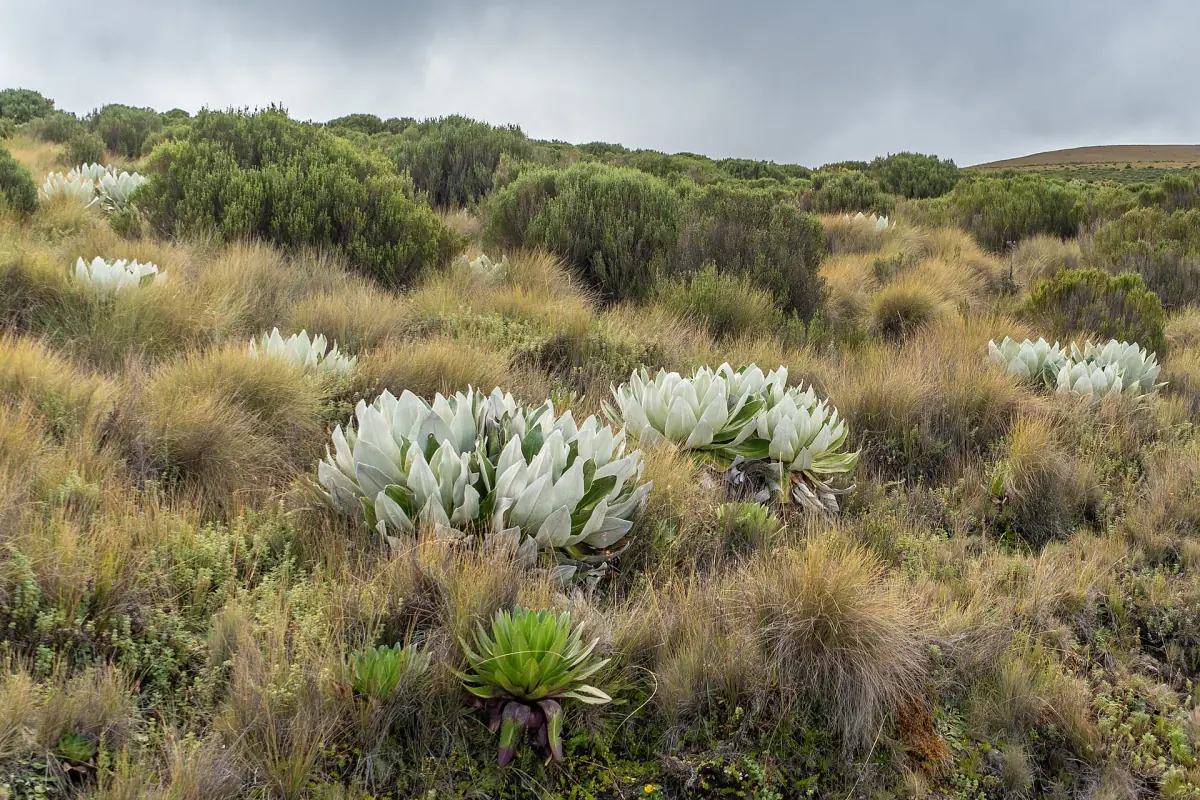
| Heath and moorland | Open heath, tussock grass and lobelias | Hyrax live on rocks and in stone piles at higher elevations |
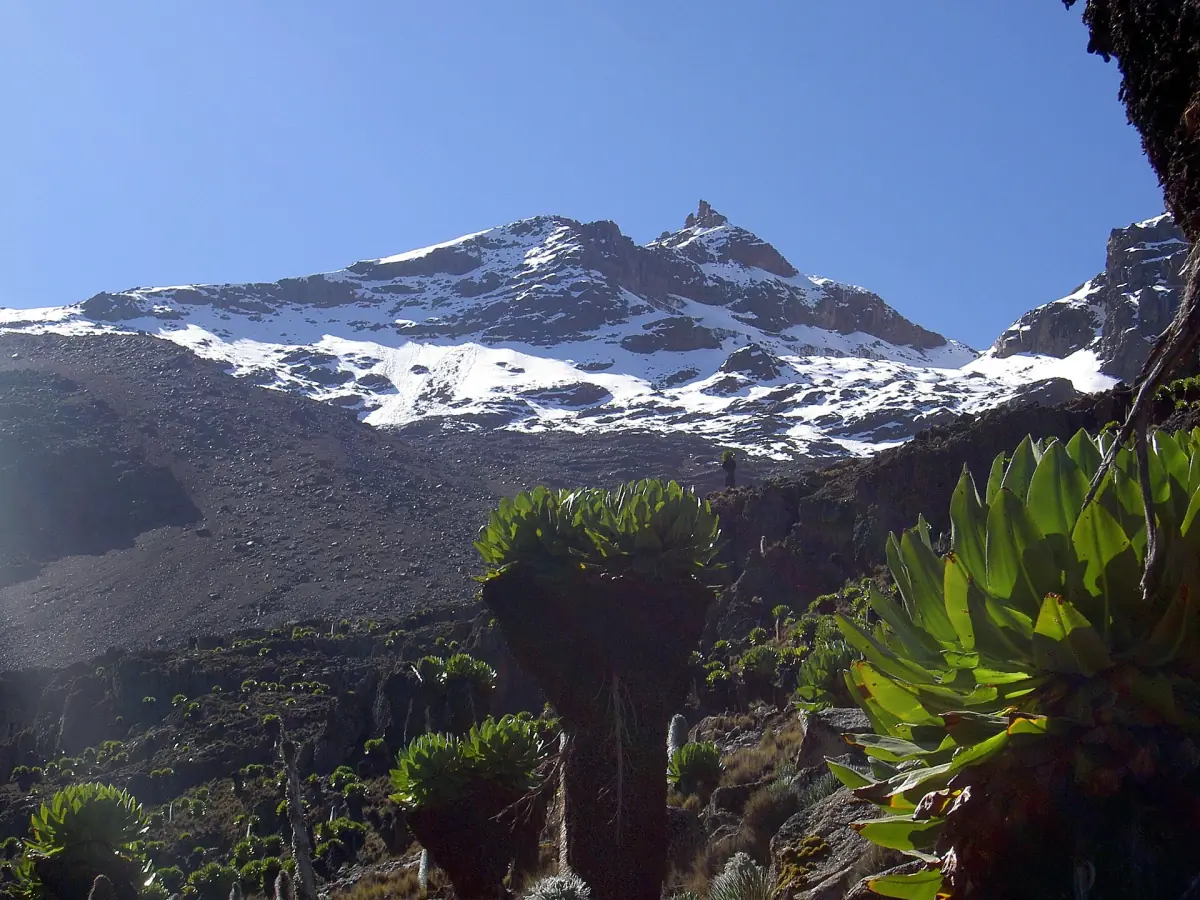
| Afro-alpine | Giant lobelias and giant groundsels, rock and tarns | Keep to the path |
The forest part of the mountain is managed by the Kenya Forest Service, while the Kenya Wildlife Service manages the national park. For a visitor, this changes little: park fees and a guide apply either way.
Our pick: forest and moorland on foot
This day hike goes from Sirimon Gate toward Old Moses, through the forest and moorland where hyraxes and giant plants live. No tour can promise animals.
Hand-picked tours, booked through GetYourGuide. Prices are indicative starting prices in US dollars (as of October 2026). Tap a tour for live availability and the current price in your currency.
Mount Kenya treks and day hikes
Guided treks through forest, moorland and rock, with live prices and availability.
Giant plants and hyrax
The sights that Mount Kenya is known for above the tree line.
Giant lobelias
Tall rosettes that stand in the open moorland. They grow in the higher vegetation zones, above the forest.
Sirimon route →Giant groundsels
Tall plants that grow in the higher zones, where whole slopes can be lined with them below the rocky peaks.
Naro Moru route →Rock hyrax
Small, furry animals that rest on boulders at higher elevations. Do not feed them.
All routes →Mountain bongo project
A conservation effort that is still on the planning side.
A conservation trust works with the Kenya Forest Service on a protected area of 63 acres in Ragati-Chehe. A 2026 special use licence sets it aside for protection and for a future reintroduction of the mountain bongo. That is a plan, not a place where you will see bongo today.
The rules for wildlife are simple. Do not feed animals. Keep at least 20 m away. Do not drive off the marked roads, and keep to 40 km/h on park roads.
Rules that protect wildlife and the mountain
Simple habits that keep animals and visitors safe.
Keep your distance
Stay at least 20 m from animals, never feed them and do not leave the marked roads. If you drive, keep to 40 km/h. These rules apply to elephants and buffalo as much as to the small hyrax.
No single-use plastic bottles
Single-use plastic water bottles are not allowed in the park. Bring a refillable bottle and take all your waste back out with you.
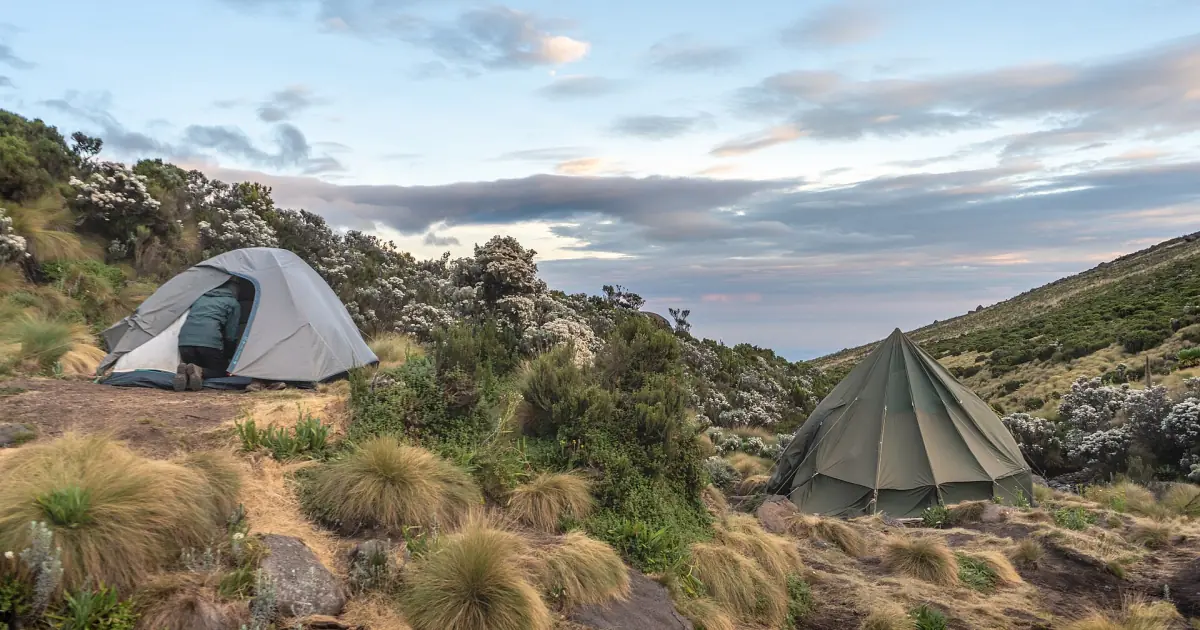
Register at the gate
Camping visitors register when they enter and leave. Porters carry no more than 25 kg each. A certified guide is required, and your guide can also tell you what the animals are doing on the day.
Park fees →Wildlife on Mount Kenya is a natural part of the walk, not a show. Walk quietly, keep your group together and let the guide decide when to stop. Watching from a distance also keeps your photos honest: the animals you see are going about their day.
Mount Kenya animals: frequently asked questions
Which animals live on Mount Kenya?
Elephants, buffalo, leopards, primates and several antelope species live in the forest and ecosystem around the mountain. Rock hyrax live higher up. A sighting is never guaranteed.
Will I see elephants on a trek?
There are elephants in the mountain forest, but nobody can promise a sighting. If you meet one, stay calm, keep at least 20 m away and follow your guide.
Can I see the mountain bongo?
Not today. A protected area for a future reintroduction has been set aside, but it does not mean bongo are easy to see in the national park.
What plants grow near the top?
Giant lobelias and giant groundsels grow in the higher vegetation zones. Which species you see depends on the route and the height.
Can I feed the hyrax?
No. Feeding wildlife is not allowed in the park. Keep food packed and leave no waste behind.
What are the rules for watching wildlife?
Keep at least 20 m away, never feed animals and do not leave the marked roads. On park roads the limit is 40 km/h.